Cyber Liability Insurance for Small Businesses: Is Your Business Protected?
Cyberattacks are not just a problem for large corporations. Small and growing businesses can also face data breaches, ransomware, phishing scams, stolen customer information, and other cyber incidents that can quickly become expensive and disruptive.
For businesses in Wake Forest, Raleigh, Youngsville, and throughout North Carolina, technology is part of everyday operations. You may accept credit card payments, store customer information, communicate by email, use cloud-based software, manage employee records, or rely on computers and mobile devices to run your business.
That convenience also creates risk.
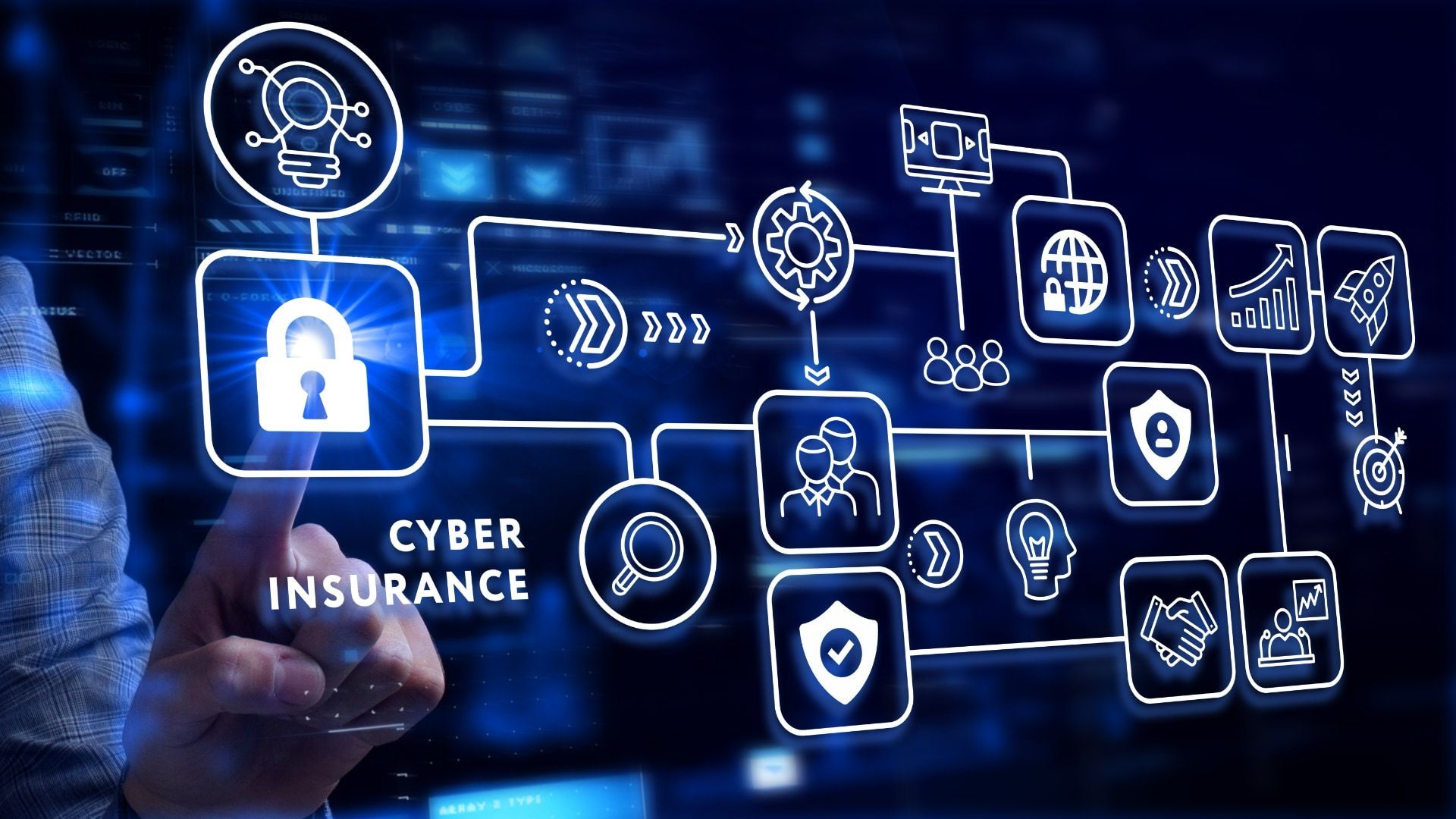
Cyber liability insurance, sometimes called cyber insurance or cybersecurity insurance, is designed to help businesses manage the financial impact of certain cyber incidents and data breaches.
What Is Cyber Liability Insurance?
Cyber liability insurance is a type of business insurance designed to help protect a company from certain financial losses associated with cyberattacks, data breaches, and other technology-related incidents.
Depending on the policy and coverage selected, cyber insurance may help with expenses related to:
- Data breaches and compromised customer information
- Ransomware and cyber extortion
- Data recovery and system restoration
- Business interruption following a covered cyber incident
- Customer notification after a data breach
- Legal expenses
- Regulatory investigations and certain associated costs
- Public relations and crisis management
- Liability claims from customers or other third parties
Cyber policies can vary significantly, which is why it is important to understand what a particular policy covers, what it excludes, and whether the coverage matches the risks your business actually faces.
Does My Small Business Really Need Cyber Insurance?
Many business owners assume cyber insurance is only necessary for large companies or businesses in the technology industry. In reality, a business does not need to be a major corporation to have valuable data or to become the target of a cyberattack.
Consider how much information your business handles every day.
Do you store customer names, addresses, phone numbers, or email addresses? Do you accept electronic payments? Do you maintain employee records? Do you use online banking, cloud-based software, or email to communicate with customers and vendors?
If the answer to any of these questions is yes, your business may have cyber exposure.
A local contractor in Wake Forest, a professional office in Raleigh, or a growing business in Youngsville may have very different operations, but each can rely heavily on technology and sensitive information.
What Could a Cyber Incident Look Like for a Local Business?
A cyber incident does not always look like the dramatic computer hacks shown in movies.
It could be an employee clicking a convincing phishing email. A business owner's email account could be compromised. A laptop containing customer information could be stolen. A fraudulent email could appear to come from a trusted vendor. Malware or ransomware could lock a business out of important files and systems.
Even a relatively small incident can create significant problems.
The business may need to determine what information was compromised, restore systems, notify affected individuals, respond to customers, consult legal or cybersecurity professionals, and manage the interruption to normal operations.
For a small business with limited staff and resources, those costs and disruptions can be difficult to absorb.
North Carolina Businesses May Have Responsibilities After a Data Breach
A data breach can create more than an IT problem.
North Carolina law includes requirements related to security breaches involving certain personal information. Depending on the circumstances, a business may have obligations involving notification of affected individuals and reporting associated with the breach.
That means the financial impact of a cyber incident can extend beyond repairing a computer or changing a password. A business may need professional assistance to investigate the incident, understand its responsibilities, communicate with affected individuals, and recover from the disruption.
Cyber liability insurance may help provide financial protection and access to resources when a covered cyber event occurs.
What Is the Difference Between First-Party and Third-Party Cyber Coverage?
Cyber insurance may include both first-party and third-party coverage.
First-Party Cyber Coverage
First-party coverage generally helps with losses and expenses your own business experiences following a covered cyber incident.
Depending on the policy, this could include:
- Data recovery
- System restoration
- Business interruption
- Cyber extortion or ransomware response
- Incident investigation
- Customer notification
- Crisis management
Third-Party Cyber Liability Coverage
Third-party coverage generally addresses claims made against your business because of a cyber incident or data breach.
For example, a customer or another organization could claim that your business failed to adequately protect sensitive information.
The appropriate combination of coverage depends on your business, the information you handle, your technology, and your potential exposure.
Doesn't My General Liability Insurance Cover a Data Breach?
Business owners should not automatically assume that a standard general liability policy will provide the protection they need for cyber-related losses.
Traditional business insurance policies may not cover many of the costs associated with a data breach, ransomware attack, or other cyber incident.
A dedicated cyber liability policy or cyber endorsement may provide coverage specifically designed for these risks.
The important thing is to review your existing insurance program and identify potential gaps before an incident occurs.
What Types of Businesses Should Consider Cyber Liability Insurance?
Cyber insurance can be worth considering for many types of businesses, including:
- Professional service firms
- Contractors and home service companies
- Retail businesses
- Medical and healthcare-related businesses
- Real estate professionals
- Financial and accounting businesses
- Law firms
- Restaurants
- E-commerce businesses
- Technology companies
- Businesses with employees
- Any company that stores customer, employee, or financial information
You do not need to operate a large company to have cyber risk. If your business depends on computers, email, online accounts, payment systems, or customer information, it may be worth reviewing your exposure.
Cyber Insurance Is Only One Part of Protecting Your Business
Insurance should not replace good cybersecurity practices.
Businesses should also consider steps such as using multi-factor authentication, maintaining secure backups, keeping software updated, training employees to recognize phishing attempts, controlling access to sensitive information, and having a plan for responding to a cyber incident.
Cybersecurity measures can help reduce the likelihood and impact of an attack. Cyber liability insurance can provide another layer of financial protection if something still goes wrong.
Protecting Businesses in Wake Forest, Raleigh, Youngsville, and Beyond
Every business has different risks.
A small professional office in Wake Forest may handle sensitive customer records. A growing company in Youngsville may depend on cloud-based systems and online payments. A Raleigh business with multiple employees may face risks involving email, vendors, customer data, and internal systems.
The right business insurance program should reflect how your company actually operates.
At CT3 Insurance, we help business owners evaluate their risks and explore commercial insurance options designed around their specific operations. If you are unsure whether your current business insurance includes adequate protection for cyber risks, we can help you review your coverage and identify potential gaps.
Contact CT3 Insurance to discuss cyber liability insurance for your business in Wake Forest, Raleigh, Youngsville, or the surrounding North Carolina communities.